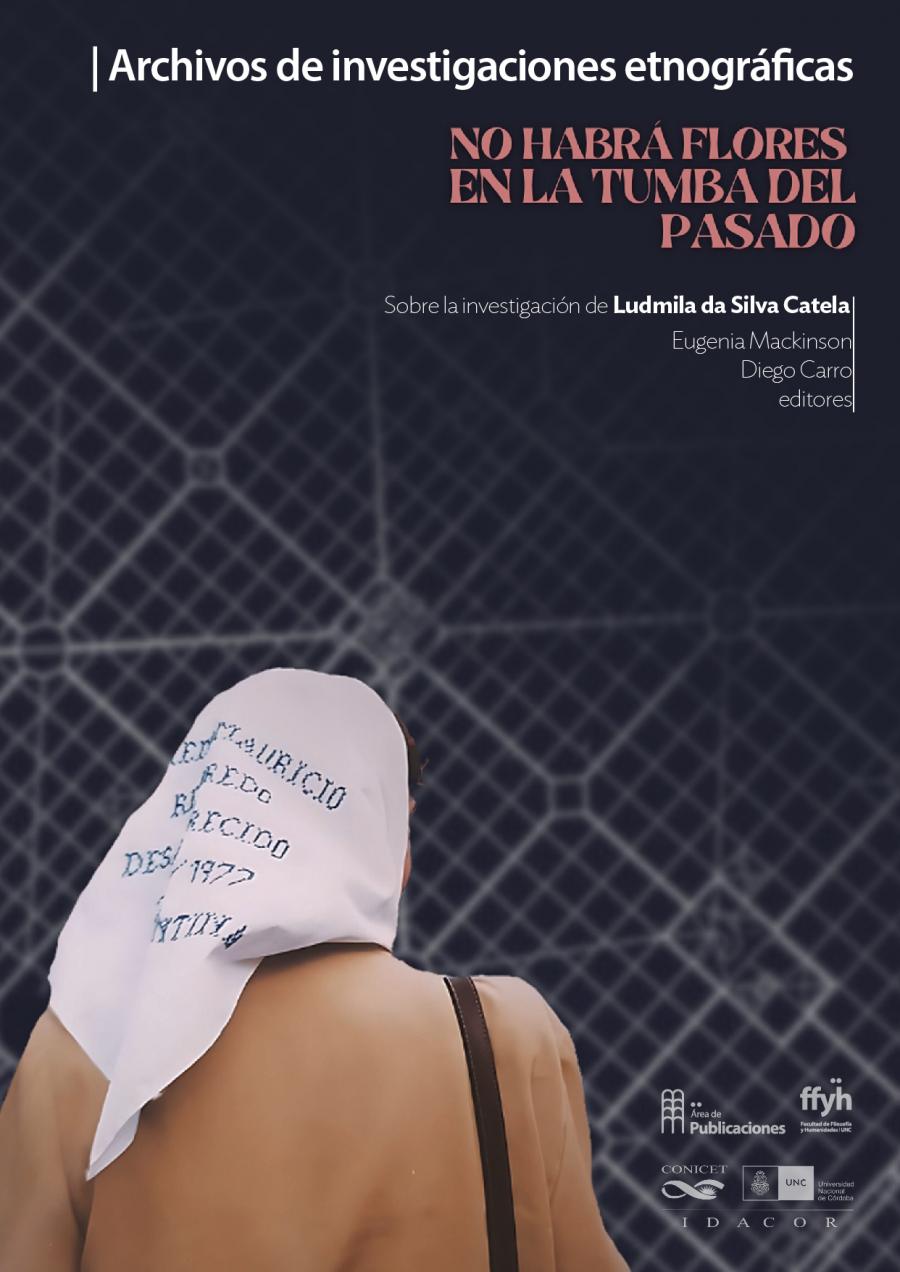
Ethographic research files : there will be no flowers on the grave of the past : the experience of rebuilding the world of the relatives of the disappeared
Keywords:
Human Rights, DictatorshipsSynopsis
This publication is based on the documentary collection produced as a result of research conducted with relatives of disappeared persons in La Plata between 1996 and 1999. It includes interviews, field notes, photographs, recordings of public events, material from the private archives of relatives of the disappeared, documents, and primary sources such as newspapers, magazines, and clippings, creating a new and dynamic way of accessing the research by framing the material using excerpts from the book No Habrá Flores en la Tumba del Pasado (There Will Be No Flowers on the Grave of the Past), which was originally a doctoral thesis. It is a connective ethnography that, as the central themes of the research are presented, generates and proposes: links, connections, openness, and interaction with the original research documents, located in the UNC's open Suquía system, and builds links with other media present in the networks that show the extent of actions, practices, cartographies, and monuments in memory of those who disappeared during state terrorism in Argentina.
Chapters
-
Opening Remarks
-
Materials
-
About the coup
-
About this research
-
Chapter I | The reversal of the worldThe inversion of the world introduces perceptions of the 1976 coup d'état from various perspectives. Based on representations of the moment when the military came to power, a game is played with memories from the present, which articulate positions, silen
-
Chapter II | PuzzlesThinking about the pieces of a puzzle, I constructed the second chapter by focusing on the moment of the kidnapping of the people, in order to understand what aspects of daily life were shattered and how the pieces of the social life of these families wer
-
Chapter III | DisappearanceI introduce the analysis of the category <disappeared> through a process of construction that marked stages and learnings, which assembled the word with diverse materials, opening up the expressive possibility of delimited discourses, politically defended
-
Chapter IV | Territories of MemoryAs a change of perspective to understand the same symbolic game, I moved towards mapping territories of memory. Practices leave traces, crystallize, take shape, and can be defined by material marks that accentuate identities and spaces. The plaza, the tri
-
Chapter V | Truth and JusticeIf the reversal of the world caused a puzzle in people's lives, baffled them, and introduced a category such as “disappeared,” the territories mark the new spaces of belonging, identity, conquest, as well as beliefs and expressions that contribute new pol
-
Conclusion
-
Family members interviewed
-
Bibliography
Downloads
Published
Categories
License

This work is licensed under a Creative Commons Attribution-NonCommercial-ShareAlike 4.0 International License.